

HacTe, in collaboration with Centro Intercultural Comunitario Tránsito Amaguaña (Ecuador), Platohedro (Colombia) and LiquenLab Magallanes (Chile), has announced the three people and groups selected for the Buen-TEK residencies in the framework of the European initiative S+T+ARTS.
The Buen-TEK residencies promote artistic creation in dialogue with science, technology and ancestral knowledge, with a view to the territories of the global south and their multiple cosmologies. The selected proposals address, from transdisciplinary approaches, urgent issues related to climate change, epistemic justice, collective health and alternative ways of inhabiting the world.
Selected artists
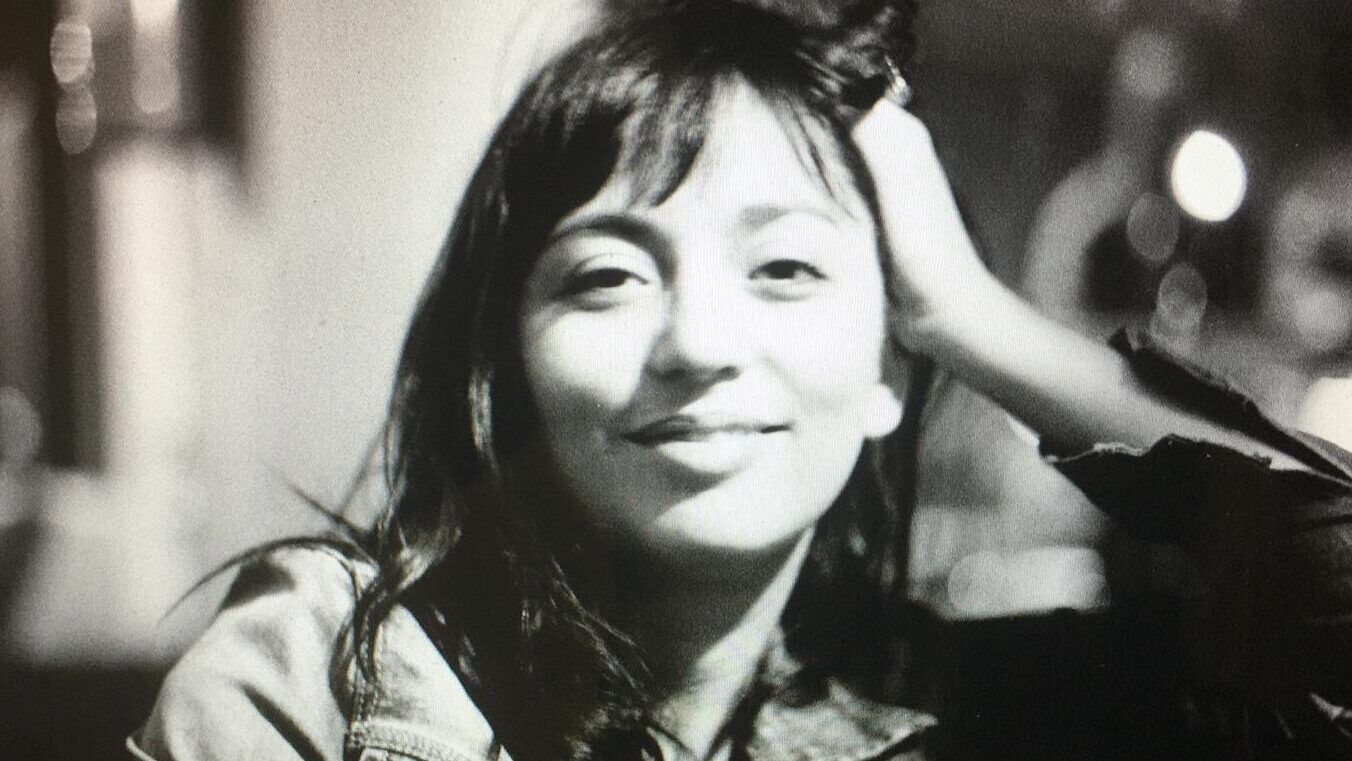
Lorena Salas
Residency at the Tránsito Amaguaña Intercultural Community Center (Cayambe, Ecuador).
Project: Turminta, what the storms know.
Lorena Salas is a visual anthropologist, sociologist, filmmaker and cultural manager. Her practice is situated at the intersection between art, research and activism, with a collaborative, transdisciplinary and intersectional approach. For over a decade she has worked with Amazonian, rural and migrant communities in Latin America, developing processes of self-representation and artistic co-creation as strategies of resistance to systemic violence, displacement and extractivism.
She is the director of SACHA MANCHI, a platform dedicated to experimental visual and sound arts, and of the community film project From Cameras to Comrades, supported by UNHCR and UNESCO. Her work seeks to make visible forms of life and thought that have been silenced, promoting critical reflections on the relationship between humans and non-humans, territories and ways of inhabiting the planet.
Regarding his participation in the residency, Salas notes:
“Sustaining life implies caring for that which is unseen, unheard and formless, but is fully present. This residency is an opportunity to deepen sensitive ways of listening and relating, and to continue weaving links between territories traversed by shared aquatic memories.”
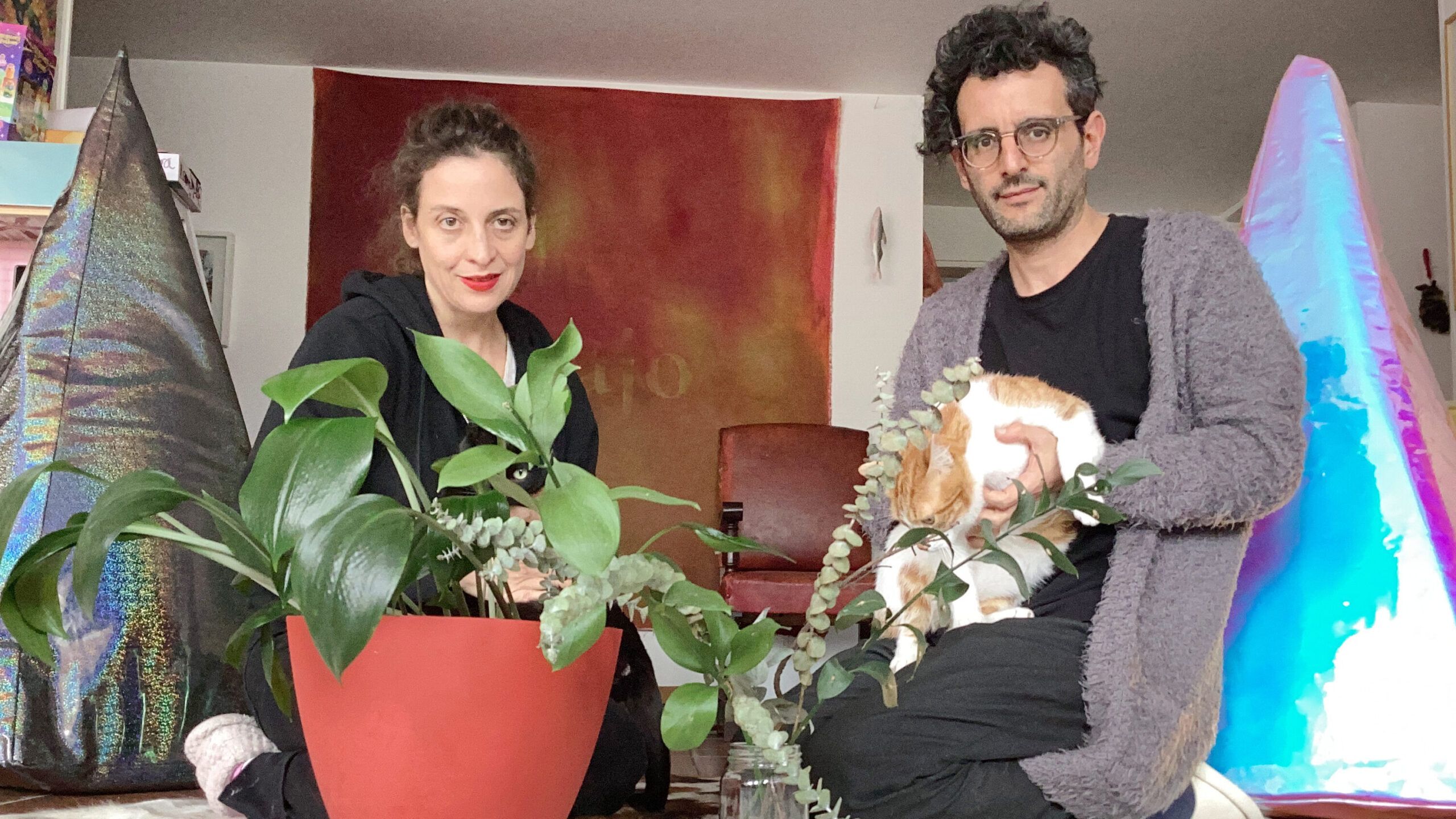
Aliens Institute (María Adelaida Samper and Gabriel Zea)
Residence in Platohedro (Medellín, Colombia)
Project: Magical counter-hegemony
Aliens Institute is a collective formed by María Adelaida Samper and Gabriel Zea, who work from the global south, understanding their geopolitical context as a place of enunciation and production. They use contemporary art media as tools to address diverse fields of research and explore alternative forms of coexistence.
From critical and horizontal pedagogies, they experiment with modes of production and circulation of knowledge that destabilize hegemonic categories and imaginaries. Their deeply affective practice is based on the creation of human and energetic networks through bonds of friendship and active listening.
On the proposed project, the collective comments:
“This residency will be a laboratory for co-creating situated knowledge where critical theory and magic converge, allowing us to imagine new ways of inhabiting the world from the perspective of Buen Vivir.”
Kinkinella
Residency at LiquenLab Magallanes (Punta Arenas, Chile)
Project: microBIOMAtica
Kinkinella defines herself as a technical contortionist, methodological amnesiac, hedonistic exhibitionist and hyperlink to the void; dissident audiovisual technicx, deserter of rigid disciplines, gynePUNK cyborg, and weaver of ephemeral networks. His practice is nomadic, transdisciplinary, post-porn and bastardized.
The microBIOMAtica project is born from a visceral research on her own intestinal health and a self-managed process in the face of pain, chronic inflammation and the absence of medical responses. In this context, Kinkinella proposes to approach the body as a migrant territory, where microbiological bioremediation, trauma, writing and performance intertwine in a search for new bodily and ecological alphabets.
On his motivation for the residency, he shares:
“Renaming things sometimes requires inventing dictionaries and dreaming up a musical orthography. This project seeks to explore visceral textures and twisted narratives, from biology to art, in a constant exercise of reinvention.”

The three selected projects were chosen for their capacity to generate critical thinking, activate situated knowledge and open up aesthetic and political possibilities that articulate art, technology, nature and community. Throughout the residencies, the artists will collaborate with host organizations deeply rooted in their respective contexts, enriching their creative processes through territorial dialogue and intercultural exchange.


