

La Tempesta: Digital for Culture
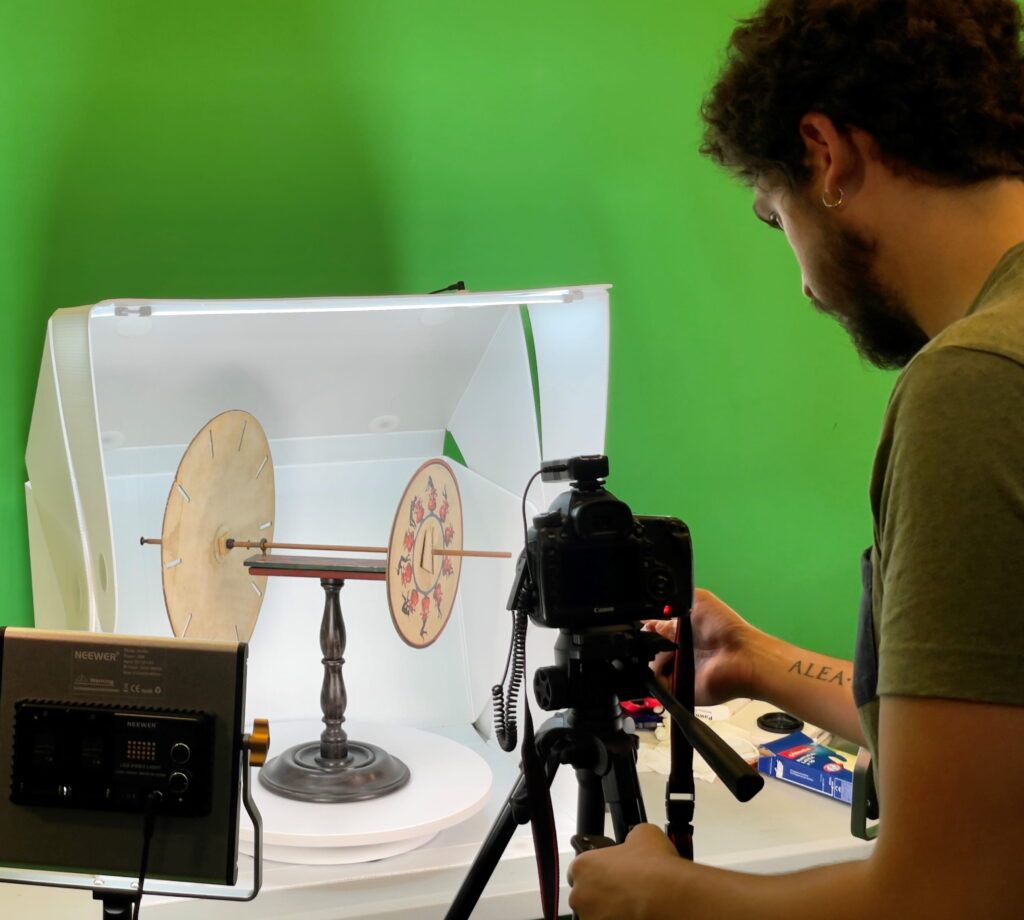
Barcelona-based digital studio
Sonar
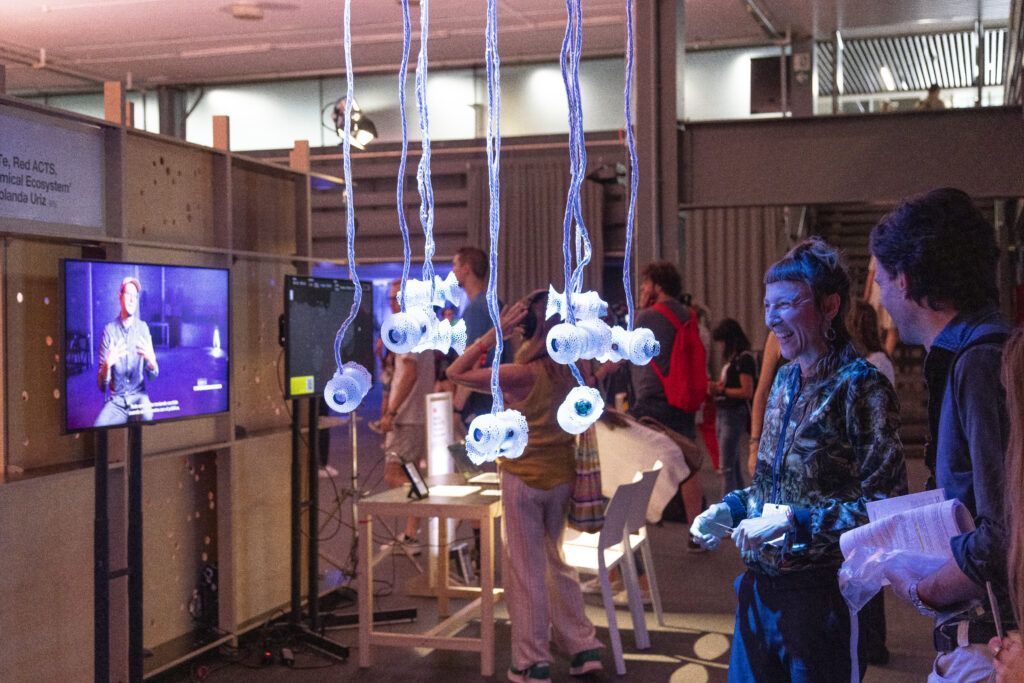
Sónar is the festival that has best reflected the evolution and expansion of digital and electronic music and culture since its first edition in 1994. Every June, Sónar transforms Barcelona into the epicentre of avant-garde music and arts and brings together audiences, artists and professionals from all over the world, attracted by innovation in content and formats on Fira Barcelona’s multiple stages and venues. True to its name, Sónar is a sound detector that tracks and amplifies the present and future of the music scene, welcoming and disseminating the most influential artistic proposals of the moment globally and acting as a space for the discovery of emerging trends and currents in the arts and their links with science. technology and society. After three decades and more than 100 editions around the world since its inception, Sónar continues to blur the boundaries of the festival and forge connections between audiences, genres and creative disciplines.
EINA

University Centre of Design and Art of Barcelona
BIST, Barcelona Institute of Science and Technology
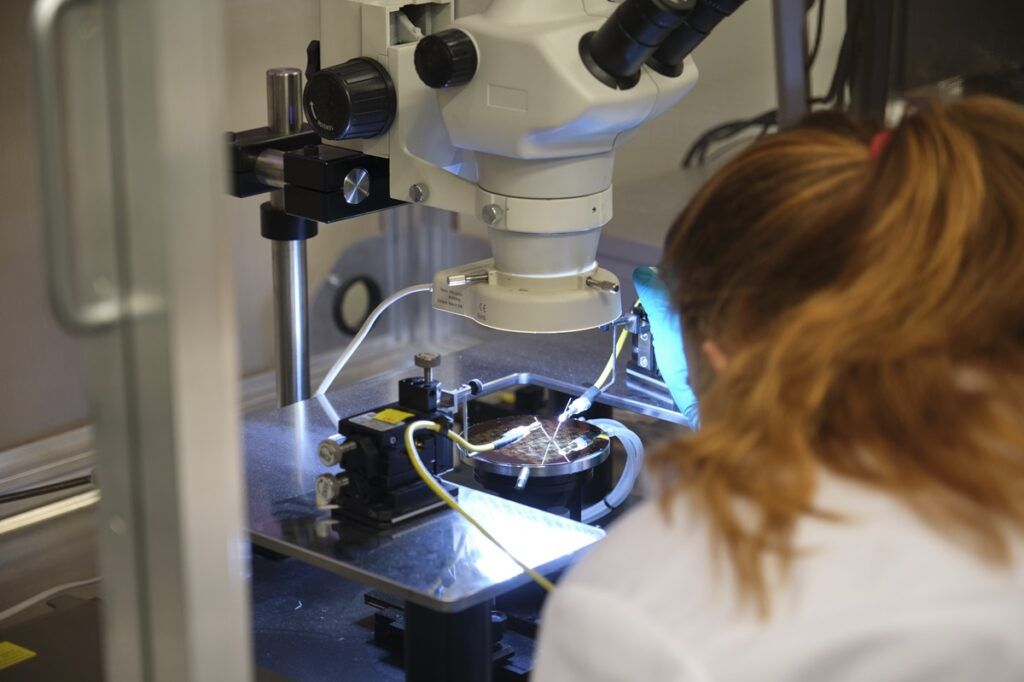
BIST (Barcelona Institute of Science and Technology) is a scientific cooperation institution that brings together seven frontier research centres in a public-private partnership in the form of a foundation. The centres that make up BIST are: the Centre for Genomic Regulation (CRG), the Institute for Bioengineering of Catalonia (IBEC), the Institute of Photonic Sciences (ICFO), the Catalan Institute for Chemical Research (ICIQ), the Catalan Institute of Nanoscience and Nanotechnology (ICN2), the Institute of High Energy Physics (IFAE), and the Institute for Research in Biomedicine of Barcelona (IRB Barcelona). Its purpose is to unify and multiply the efforts of excellence and impact of the centres that constitute it, improving their contribution to the knowledge system and the society that promotes them. It does this by adding its critical mass and articulating it as a community, promoting multidisciplinary scientific cooperation and strengthening its institutional capacity. The scientific community of BIST is made up of these seven centres and their 2,600 researchers, students and technical staff. It is a young and international community: about half of its members are PhD students or postdoctoral researchers, and 42% of the community is of international origin. The BIST scientific community is committed to expanding the frontiers of knowledge in areas such as genomics, bioengineering, biomedicine, chemistry, nanotechnology, photonics and high-energy physics.
Polytechnic University of Catalonia
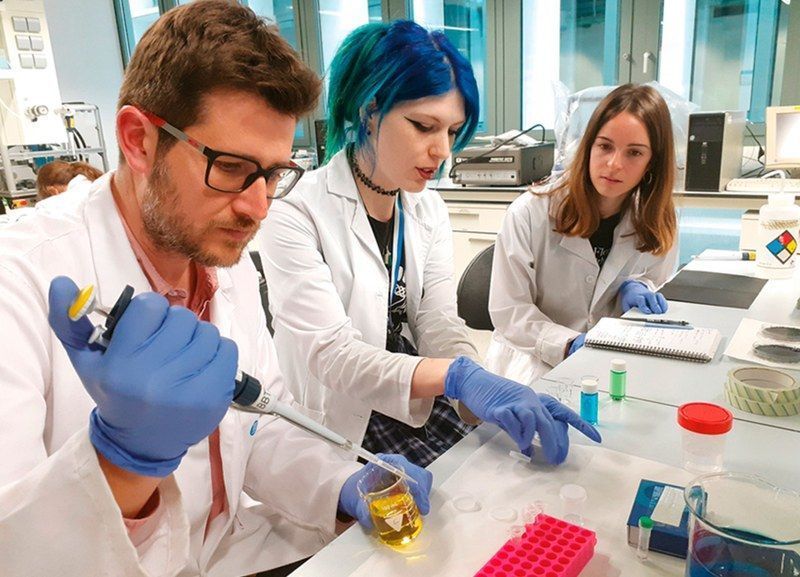
The Universitat Politècnica de Catalunya – BarcelonaTech (UPC) is a leading public institution in research and higher education in the fields of architecture, engineering, science and technology. As one of the most prestigious universities nationally and internationally, the UPC is committed to promoting knowledge and innovation through quality training, cutting-edge research and collaboration with the industrial, business and social fabric. The UPC offers a wide range of degrees, ranging from bachelor’s degrees to master’s degrees and doctorates, with the aim of training highly qualified professionals capable of facing the technological and social challenges of the twenty-first century. Through teaching based on excellence and a strong link with research, the university is positioned as a driver of transformation in key areas such as sustainability, digitalisation, mobility and artificial intelligence. In addition, the UPC is distinguished by an interdisciplinary and internationalized academic environment, with a network of collaborations that extends around the world. Its campuses, distributed in several cities in Catalonia, are dynamic spaces where technology, creativity and innovation come together to generate solutions that have a positive impact on society. Committed to sustainable development and open science, the UPC leads initiatives that promote equal opportunities, inclusion and knowledge transfer. Thus, the university is not only part of the present, but also builds a better future through joint work with students, teaching staff, research staff and the community as a whole. The UPC is much more than a university; It is a space of opportunities, creativity and global transformation.
Pompeu Fabra University
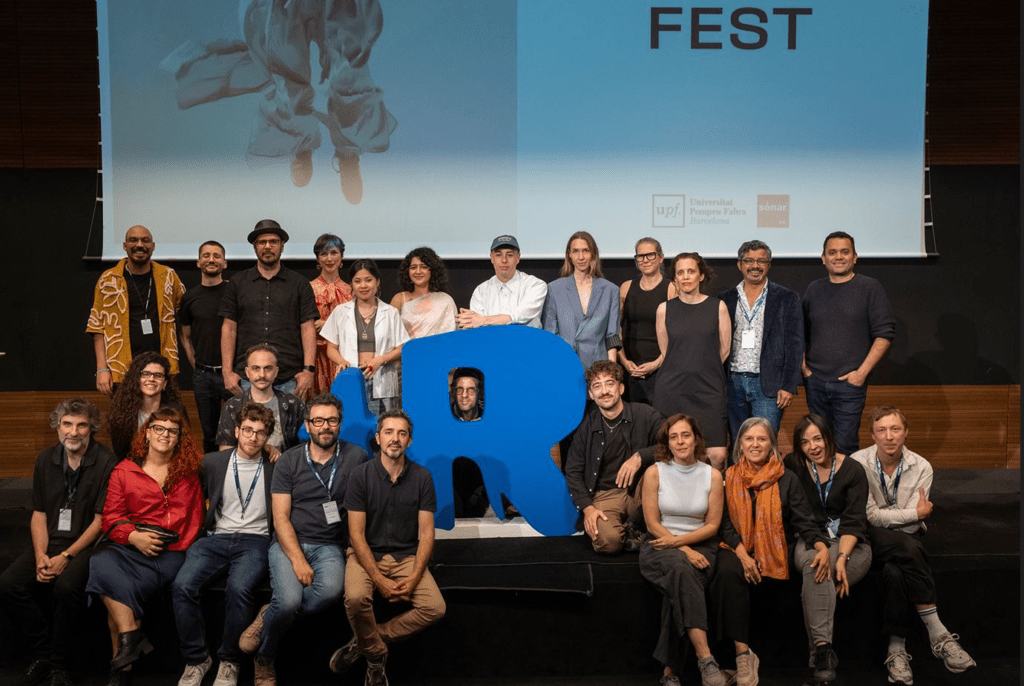
Pompeu Fabra University was created in 1990 by the Government of Catalonia with the aim of establishing a public university oriented towards academic excellence and contributing to the development of the country. With the aim of achieving this goal, UPF has been deployed over the years with strict quality criteria in all its activities, and has configured a model of urban university closely linked to the city of Barcelona. As a university, we have been selective in the areas of knowledge that we have incorporated in order to be able to concentrate fundamentally on research and training on the various dimensions of the human being, including the biological, the communicative or the social. The size that, despite our growth, we have maintained, has become one of our characteristic features – eminently positive – since it has allowed us to maintain an ideal scale for the formation of a cohesive university community, in which the academic units and the different services and units are aware of belonging to the same institution and sharing the same values. UPF is a public university, rooted in the city of Barcelona, highly competitive in research and with a vocation for educational transformation to respond to the challenges of the future. In a context marked by major global challenges, UPF assumes an unavoidable commitment as a university institution: to contribute to the search for solutions to the great challenges facing humanity and the planet, and which are embodied in the Planetary Wellbeing initiative.
Open University of Catalonia
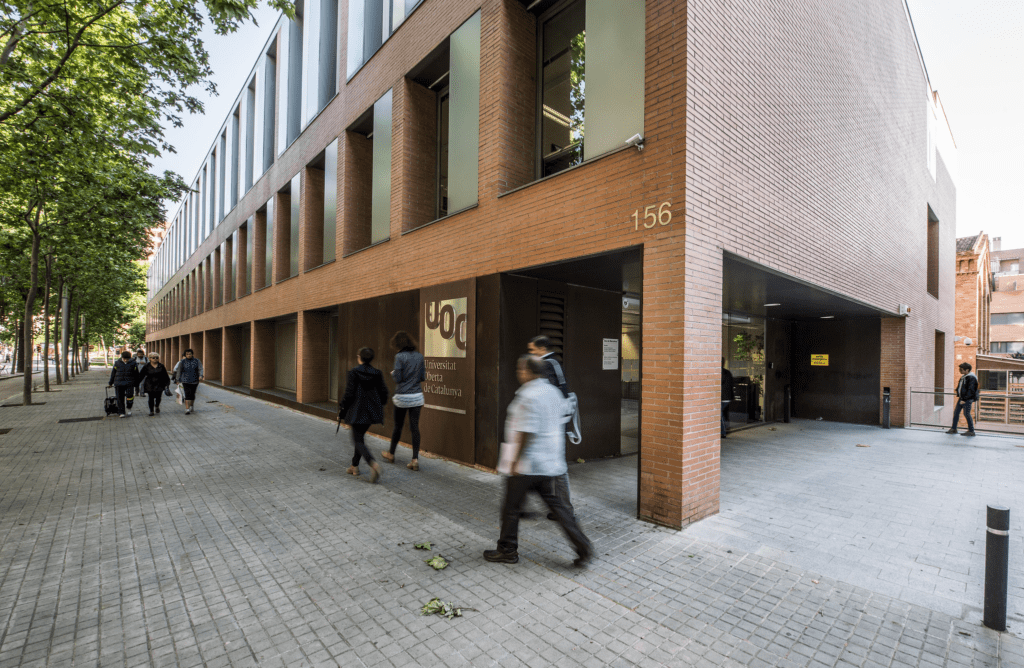
The Universitat Oberta de Catalunya (UOC) was created in 1995 in Barcelona, beginning the path of rethinking how technology could become the best ally to offer a meaningful and relevant learning model. Thirty years ago, we became the first online university in the world, with a pioneering and radically student-centred educational model. Since then, we have innovated and accompanied more than 120,000 graduates from more than 150 countries in their personal and professional growth. With more than 600 researchers and 50 groups, we promote research by focusing on interdisciplinary projects in the human and social sciences, education, health and technology. We are committed to open knowledge, interdisciplinarity and network cooperation, promoting research on technology and the use of ICTs for educational transformation and social equality. We maintain our commitment to interconnecting academics and agents in the interdisciplinary field, fostering synergies between branches of teaching. Synergies that have resulted in active research groups in the field of culture and creative industries merged with disciplines linked to technology and innovation. We believe that it is through alliances and the community that we can consolidate our systemic proposal by promoting the principles of equity and inclusion. That is why we coordinate the OpenEU alliance, which brings together fourteen universities and thirteen associations with the support of the European Commission, to create an open European university that strengthens the European Higher Education Area. Our trajectory leads us to want to continue to be a benchmark for lifelong learning in an inclusive, digital and entrepreneurial society.
Tech Barcelona
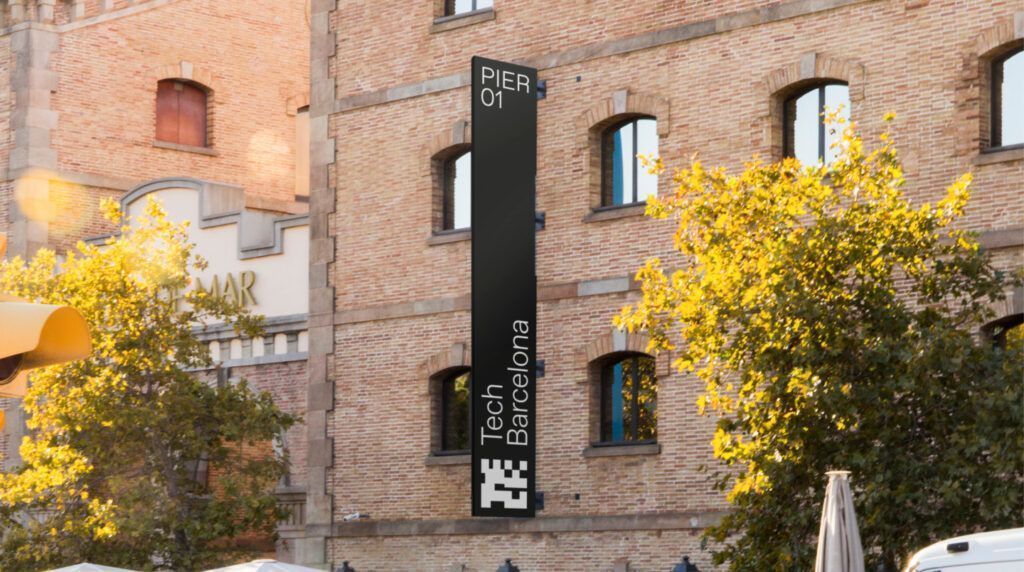
Tech Barcelona is an independent, non-profit private association that works to strengthen Barcelona as a benchmark in the international digital and technological landscape. We are the gateway and the platform for active participation in the ecosystem. We connect and make startups visible. We catalyze innovation processes with corporations. We encourage entrepreneurship. We attract investment. We promote talent. Let’s structure and empower the ecosystem.
New Art Foundation

The. NewArt { foundation;} is headquartered in Reus, Catalonia. Its ambition is to help the artistic community develop new technological, scientific, conceptual and social practices. The foundation disseminates art at the intersection and transgression with science and technology as a strategy for development and social empowerment. It acts not only as a witness, but also as an active agent. One of its main challenges is the development, production, conservation and preservation of an artistic legacy linked to science and technology, within the framework of the . NewArt { collection;}. This project is reinforced with the expansion of its facilities through the creation of a new Art Center in the city of Reus, the . NewArt { center;}. The. NewArt { collection;} is recognized not only for what it collects, but also for how it does it; It has generated a new type of collecting, promoting programmes for the production, preservation and patronage of technological art, and encouraging debate around issues related to the incorporation of new technologies in Art. This collection of electronic and digital artworks has grown to become one of the most relevant in the world. The. NewArt { foundation;} is an active member of the vibrant Catalan ecosystem. In collaboration with several of its institutions and organisations, the . NewArt { foundation;} & { collection;} has expanded its impact on a national and international scale with stable collaboration programs with centers such as V2 (Rotterdam) or Ars Electronica (Linz), among others, and through its works loan program.
ICFO, Institute of Photonic Sciences
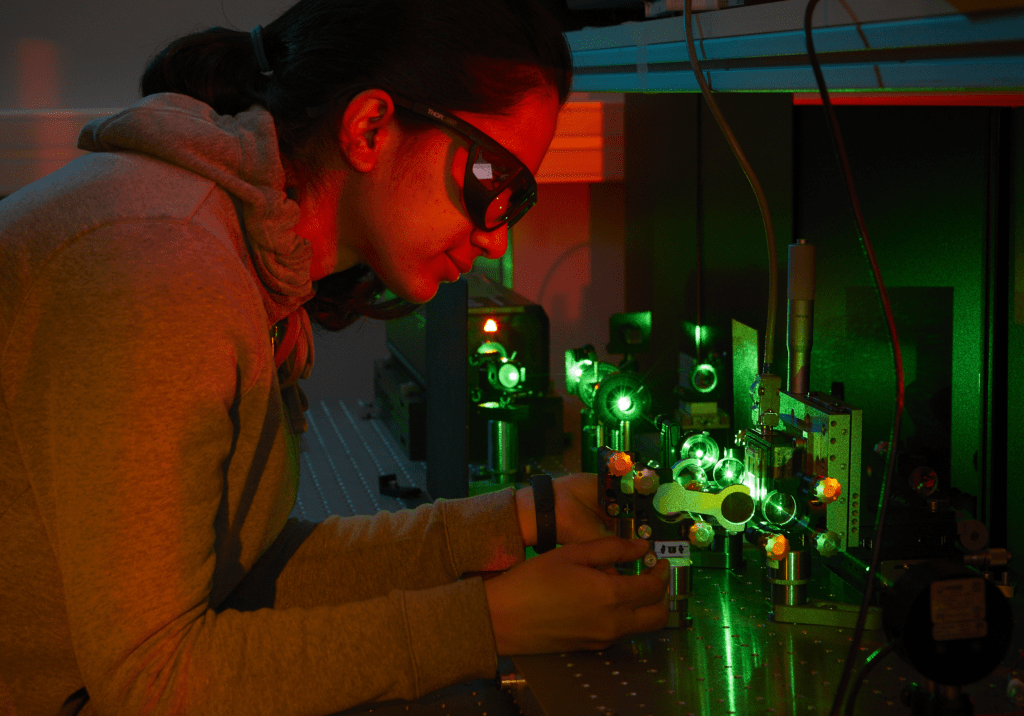
ICFO was founded by the Government of Catalonia and the Polytechnic University of Catalonia (UPC), which are members of its board of trustees together with the Cellex and Mir-Puig Foundations, philanthropic entities that have played a fundamental role in the advancement of the institute. Located in the Mediterranean Technology Park in the metropolitan area of Barcelona, the institute currently hosts more than 450 people, organized into 26 research groups in 80 cutting-edge research laboratories. The lines of research cover several areas in which photonics plays a decisive role, with an emphasis on basic and applied topics relevant to medicine and biology, advanced imaging techniques, information technologies, a range of environmental sensors, tunable and ultrafast lasers, quantum science, photovoltaics and the properties and applications of nanomaterials such as graphene, among others. As part of its mission to conduct high-level and excellent research, ICFO also makes it a priority to train the next generation of scientists and technologists. ICFO is also very proactive in promoting business activities, creating spin-offs and promoting collaborations and links between industry and the centre’s researchers.
Hangar, Centre for artistic production and research
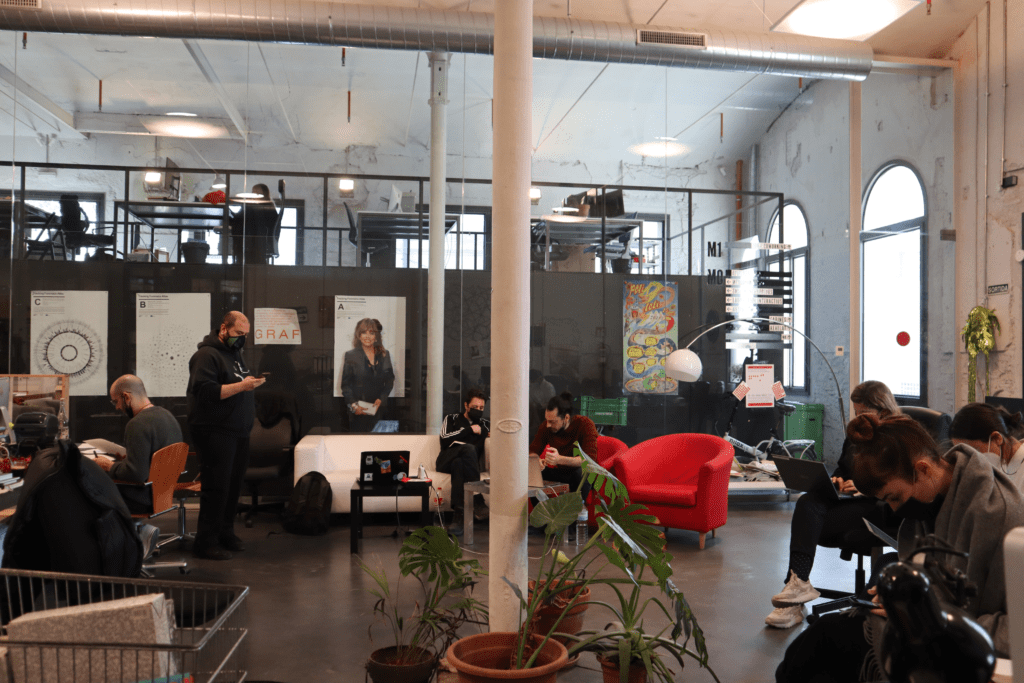
Founded in 1997, Hangar is an artist-run project, which aims to prototype, update and sustain the necessary conditions to facilitate artistic production and research, understanding them as practices and forms of critical speculation that have the capacity for response and innovation in the face of contemporary debates and urgencies. Hangar supports creators in all phases of the production process. We provide resources and contexts for technical, logistical and material development, but we also develop programs for the conceptual accompaniment and amplification of artistic careers at a local and international level. To this end, we design and continuously improve contexts for the presentation and transfer of knowledge specifically designed for the needs of contemporary creation. Hangar understands art as a knowledge-producing practice and defends artistic research as a form of research in its own right, endowed with a specific modality of discovery and production of knowledge. After more than 20 years dedicated to opening the field for artistic research, Hangar is currently a prescriptive center in this field, both locally and internationally.