

We talked to Luca Carrubba and María Ignacia Ibarra about the research process developed within the framework of the Barcelona CREA – HacTe Grant.
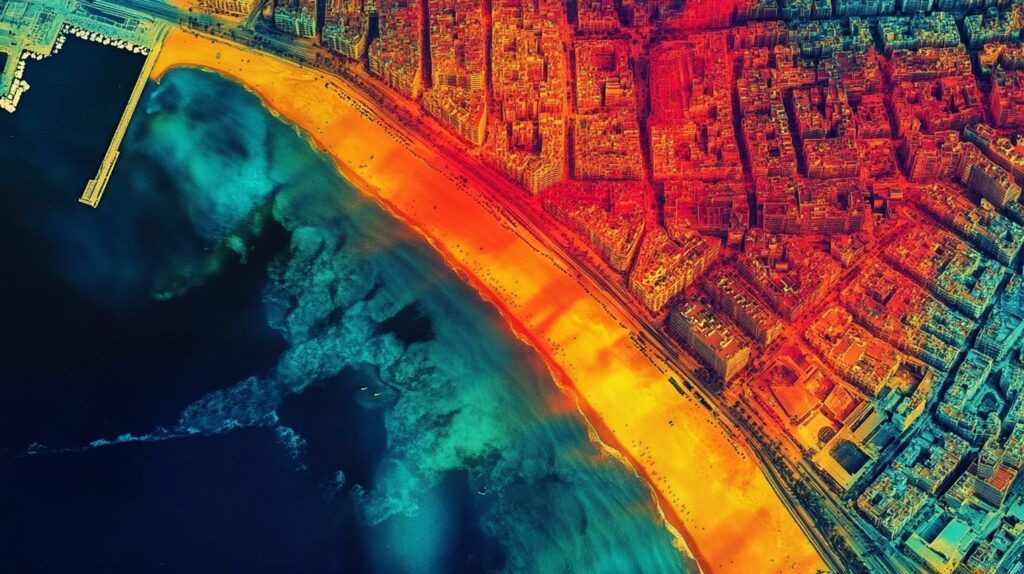
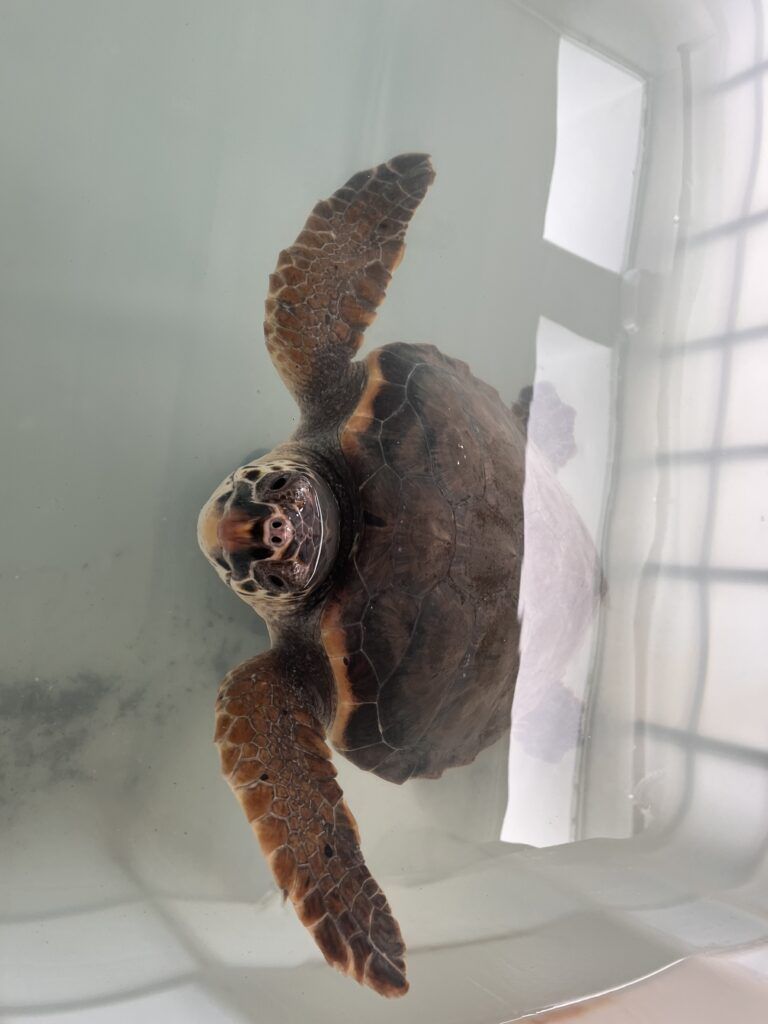
The first edition of the CREA – HacTe 2025 Grant, which under the title “Knowing-Not-Knowing” proposes to investigate the concept of aridity, has concluded after two months of residence in which Luca Carrubba and María Ignacia Ibarra have been able to work on the project Al calor devenimos hembras (In the heat we become females). This artistic research was based on the question of how the management of life and reproduction are redistributed in the context of the climate crisis, taking as an example the process of accelerated feminization of the loggerhead turtle and its possible link to the increase in the temperature of the sand off the coast of Barcelona.
During this initial stage of their research, the residents have articulated a series of intersecting conversations with fields of marine biology, political ecology, hydro-feminism and environmental coloniality to analytically approach the initial question. In this interview, Ibarra and Carrubba delve into the process of this transdisciplinary residency and how the lines of continuity of the research are outlined.
Your research started from a place where dialogue with other disciplines of knowledge and other research practices was fundamental: how did you articulate these conversations?
The research has been constructed, from the beginning, as an explicitly transdisciplinary project. Conversations with other knowledge were not a complement, but a methodological condition of possibility.
In the field of critical social sciences and political ecology, we dialogued with Beatriz Rodríguez-Labajos (Universitat Pompeu Fabra, DIverse group) and Beatriz Felipe Pérez, from the Environmental Justice Cooperative CICRA. These conversations provided the project with more precise analytical frameworks to think about environmental coloniality, climate migration and sacrifice zones beyond metaphor, connecting the local phenomenon of the Catalan beaches with global dynamics of extractivism.
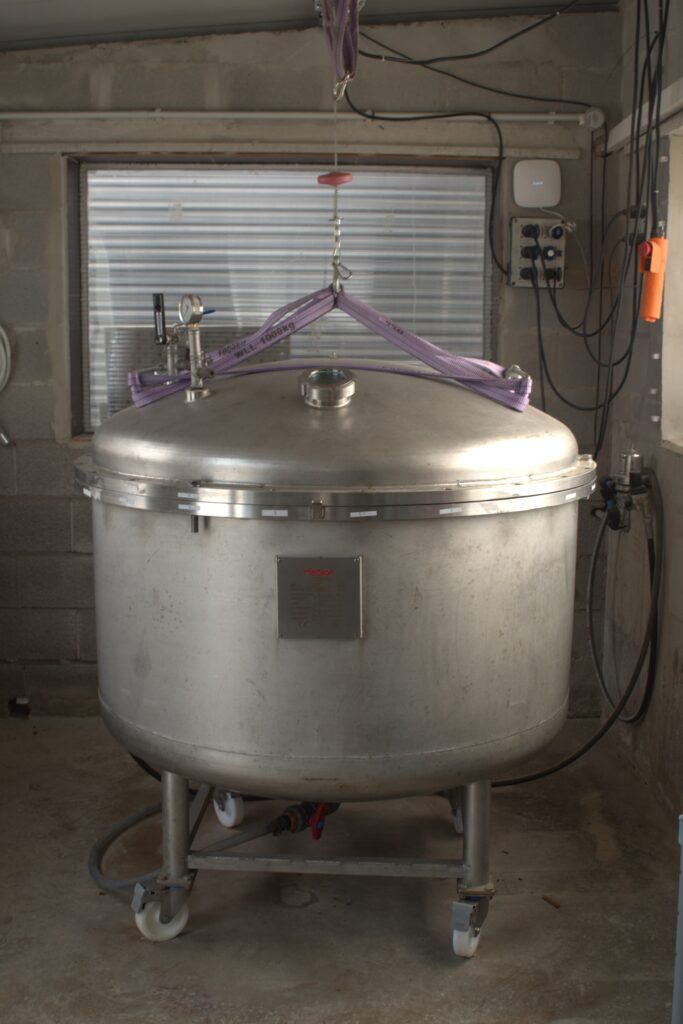
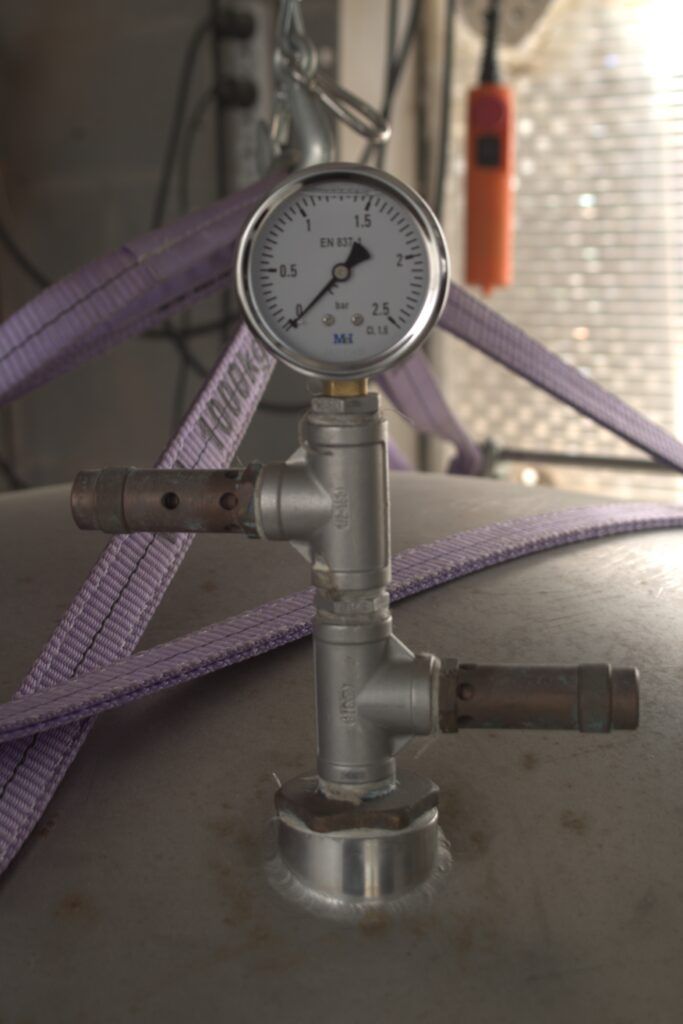
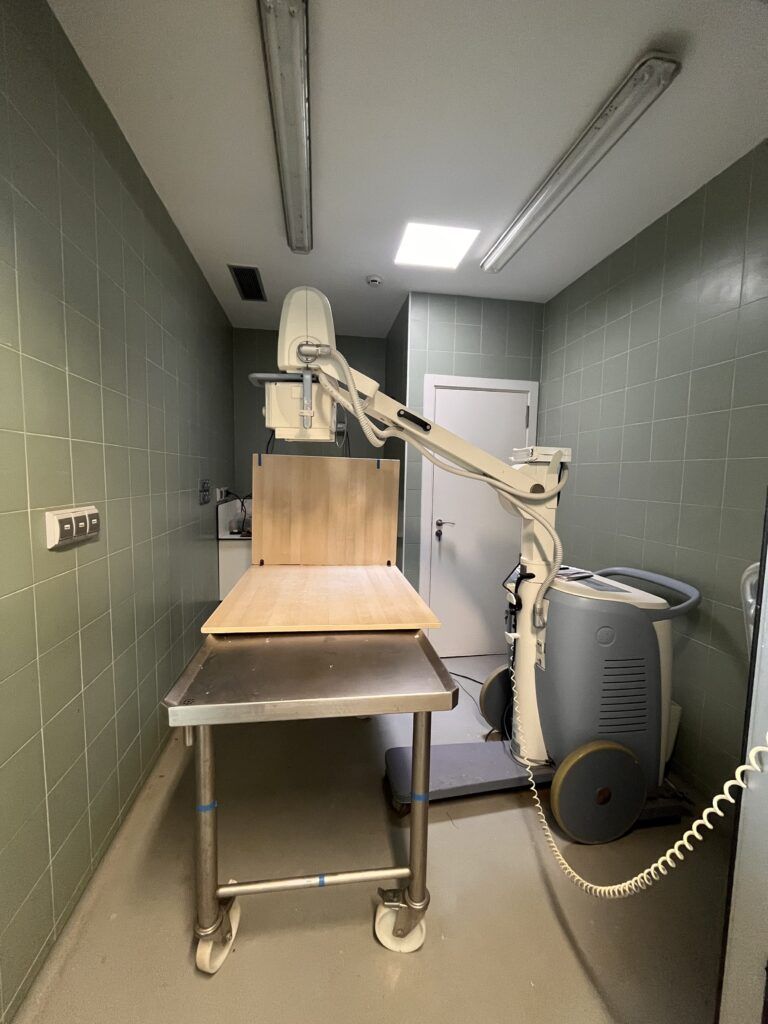
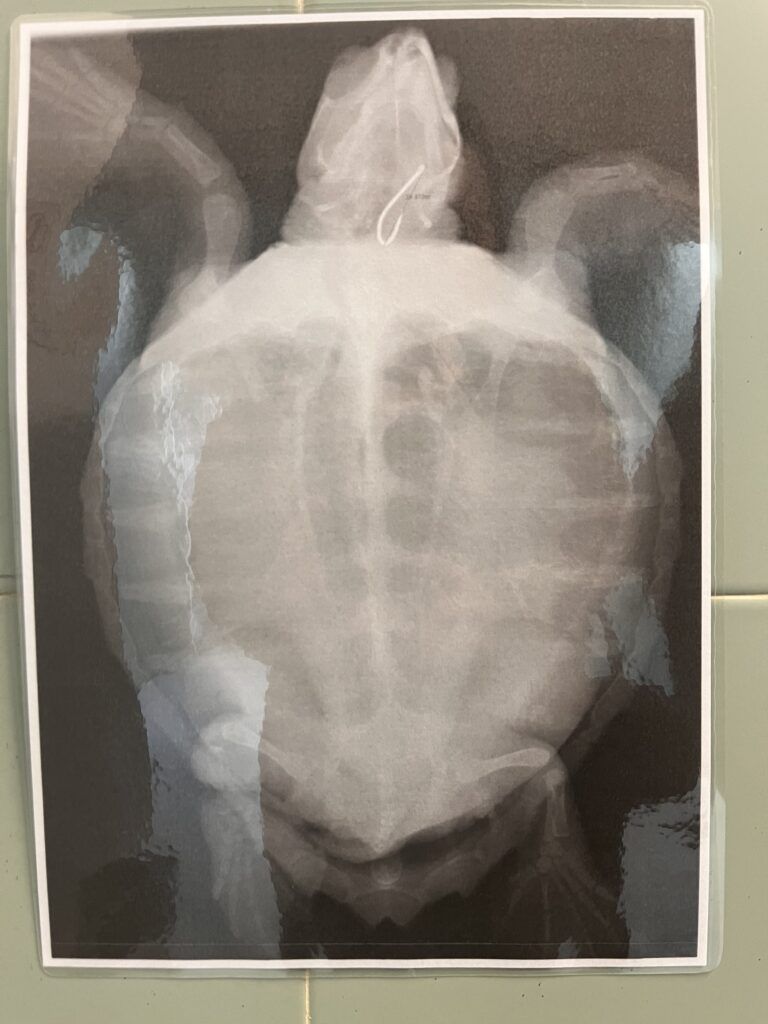
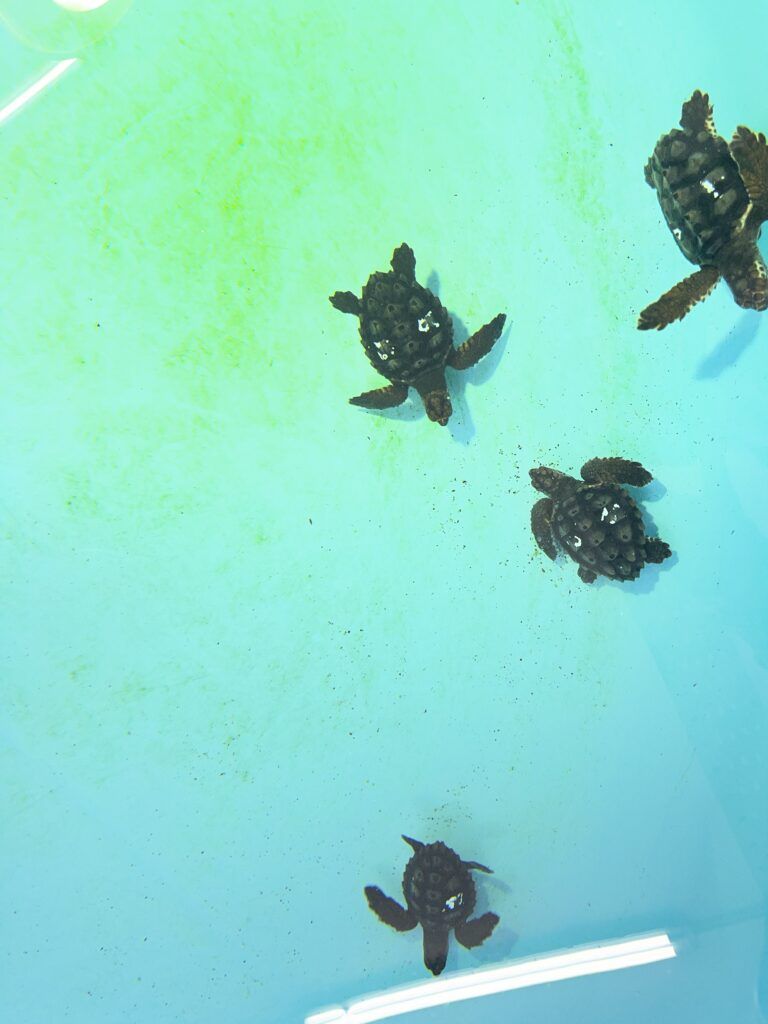
Another central collaboration in the scientific field was with Elena Abella, from the BETA Group of the University of Vic, a specialist in marine biology, who allowed us to access the current state of knowledge on the thermal feminization of Caretta Caretta and its implications for the conservation of the species. This interlocution was articulated both in direct conversation and through immersion in the head-starting protocols of the CRAM Foundation, where the ethnographic observation of the enclosure where the scientific staff works was in itself a form of dialogue: attending to their practices, their decisions and their vocabulary offered us a more complex image of the moment in which the reproduction of a species becomes dependent on technical devices.
In the artistic field, the dialogue with Silvia Zayas provided us with references on artistic research practices that operate on the border between the performative, the documentary and the situated. Finally, the hydro-feminist mapping workshop activated a form of collective conversation with migrant participants, incorporating embodied experiences about water, heat and territories into the project.
How have these conversations contributed to the research?
The project arrived at the residency with a hypothesis and an incipient theoretical framework. What the two months have produced is not so much a confirmation of that hypothesis as a greater awareness of its edges and blind spots. The conversation with the CRAM team introduced a tension that the initial proposal had formulated too neatly: head-starting technology cannot be read simply as a colonizing intervention on the reproductive cycle of the species. The people who practice it do so from an ethic of care and in conditions of urgency. This forced us to make the practice more complex and to ask ourselves what care means when there is no more time because the conditions that make it necessary have disappeared.
During the process, the image of “thermostat” emerged as an unexpected character. From the reading of the book Teatro della terra alienata (ed. Bartlebooth, 2022), the possibility was opened to transfer the conceptual tensions of the project to a performative writing device: a text with characters (the thermostat, the turtle, the shelter, the albedo…) capable of condensing and transmitting those contradictions in a more embodied way than an essay. This is probably the newest line of work that the residency has opened up.
Hydro-feminist cartography, on the other hand, shifted the project’s attention to the people who cohabit with the sea in the metropolitan area of Barcelona. Their memories of the climate, understood not only as a meteorological phenomenon but also as a social, affective and political climate, enriched the project with a layer of lived experience that scientific interviews could not provide.
The grant period has been short, how do you see the continuity of this project?
Al calor devenimos hembras has been consolidated during the residency as the first movement of what we conceive as a possible trilogy. The three questions that provisionally close it – what is heat, what does it mean to be female, and what does becoming imply – are also three thresholds for future research. In the short-medium term, the work is oriented towards the production of an artistic device that synthesizes the materials generated during these two months: the photographic and audiovisual material collected at CRAM, the materials from the hydro-feminist mapping workshop, and the performative text based on the question: What is heat? We visualize this device as a video-essay that would seek to be installed in a presentation space that would allow us to continue the conversation with wider audiences. In the medium-long term, the project keeps open the collaboration with the CRAM Foundation, which has shown interest in integrating artistic and social perspectives in its public communication and awareness processes. This is a line that allows us to think of mediation formats that are not limited to the gallery or the art space. The residency has also shown that the project needs, in its next phase, a greater attention to the sound component, a methodological debt that the limited time of the residency prevented to develop, but that is still pending resolution.
Beca Barcelona Crea 2025, with the support of the Institut de Cultura – Ajuntament de Barcelona.